
Why this matters if you’re a Kiwi in China
If you’re a New Zealander living in China, or you’re packing your bags to come over, WeChat is not just an app — it’s basically the glue holding daily life together. Payments, group chats, booking, work coordination, student life, and the odd bit of social survival all run through it. And that’s where the weird little gap opens up: people arrive thinking, “Sweet as, I’ve got the app,” then realise the real problem is knowing how to use it without getting stitched up, shut out, or stuck at the wrong end of a payment screen.
That’s why the latest WeChat payment expansion matters, even if you’re not a fintech tragic. TenPay Global’s tie-up with ShopeePay is a reminder that the WeChat payment universe keeps widening across Southeast Asia, with Singapore and Thailand first in line, and Malaysia, Vietnam, and the Philippines set to follow [BusinessToday Malaysia, 2026-08-20]. For anyone travelling in the region before or after China, that kind of cross-border payment plumbing can save a heap of mucking about.
What the recent WeChat changes are really telling us
The practical takeaway is pretty simple: WeChat is becoming more connected, but also more tightly managed. One report covering the same TenPay Global and ShopeePay rollout notes that QR payments are now being positioned for tourists in China as well, which is a decent sign that the “scan and pay” experience is still the main game [Google News / Tech in Asia aggregation, 2026-08-20]. In plain English: if you’re coming to China for study or work, you want your account, payment methods, and verification sorted before you’re standing at a cashier looking helpless.
Then there’s the security side, which is where a lot of newbies get caught. On 20 August 2026, WeChat Security Centre said it was cracking down on scam “tool accounts” used in project-style fraud networks, including fake part-time jobs that recruit ordinary users to add friends, pull people into groups, and send messages [IT之家, 2026-08-20]. That’s not just internet drama — it’s a good reminder that if someone tells you, “Just help us add a few contacts and you’ll earn easy money,” the answer should be a hard no. Too many people get caught because they think it sounds casual and harmless. It usually isn’t.
For New Zealand students and working holiday types, the smart move is to treat WeChat like a serious daily tool, not just a chat app. A decent setup looks like this:
- get your account verified properly
- link a payment method you actually control
- turn on account security features
- be wary of any “easy money” group invite
- keep a clear line between study, work, and random social groups
And honestly, that’s the main trick with China life in general: the app may look simple, but the way it’s used is all about local habits and trust. If you get that rhythm right early, life gets a lot smoother.
🙋 Frequently Asked Questions (FAQ)
Q1: I’m new in China — what should I set up in WeChat first?
A1: Start with the basics, in this order:
- Confirm your account is active and recoverable.
- Check your profile name, phone number, and login security.
- Set up payments if you need them for daily life.
- Join only the groups you actually need for class, work, or housing.
- Save key contacts, like your landlord, school admin, or flatmates.
If you’re unsure about payments, follow the official in-app guidance and your bank’s own instructions. Don’t rely on random screenshots from a mate’s cousin.
Q2: Is WeChat Pay enough for everyday life in China?
A2: For many people, yes — but don’t assume everything will work automatically. A sensible pathway is:
- test small payments first, like a coffee or convenience store run
- keep a backup card or payment option where possible
- check whether the merchant accepts QR payment before you queue up
- if you’re travelling regionally, read up on cross-border payment support before you go
The recent TenPay Global and ShopeePay rollout shows the payment network is expanding, but availability still depends on where you are and what your account can do [BusinessToday Malaysia, 2026-08-20].
Q3: How do I avoid scams on WeChat?
A3: Keep it boring and strict:
- never join “easy money” recruitment schemes
- don’t hand over verification codes
- don’t forward unknown links
- don’t add strangers just because they claim to be from a job, school, or service provider
- if a group feels dodgy, leave early
WeChat’s own security messaging on scam “tool accounts” is a good clue that some fraud is organised and polished, not obviously sketchy at first glance [IT之家, 2026-08-20].
🧩 Conclusion
If you’re a New Zealander in China, or you’re on the way, the real job isn’t “learning WeChat” in the abstract. It’s learning how to use it safely, pay with it smoothly, and avoid the nonsense that catches out people who are new to the system. The recent payment tie-ups show the ecosystem is still expanding, while the security crackdown shows the platform is still battling fraud at scale. Both matter to your everyday life.
Your short checklist:
- set up your account properly
- test payments early
- keep security tight
- ignore suspicious money-making invites
- learn the local group-chat culture before it bites you
📣 How to Join the Group
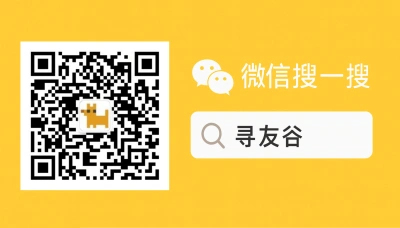
If you want a more practical, no-fuss way to get settled, XunYouGu’s community is built for exactly this sort of thing: helping New Zealand people and students use WeChat properly in China, without the guesswork.
To join:
- Search “xunyougu” on WeChat.
- Follow the official account.
- Add the assistant’s WeChat.
- Ask to be invited into the group.
No hard sell, no fancy nonsense — just a useful crowd that knows the ropes.
📚 Further Reading
🔸 Tencent Expands Wechat Pay In Southeast Asia With ShopeePay Tie Up
🗞️ Source: BusinessToday Malaysia – 📅 2026-08-20
🔗 Read Full Article
🔸 Tencent Expands Wechat Pay In Southeast Asia With ShopeePay Tie Up
🗞️ Source: Google News / Tech in Asia aggregation – 📅 2026-08-20
🔗 Read Full Article
🔸 WeChat Security Centre cracks down on scam ‘tool accounts’
🗞️ Source: IT之家 – 📅 2026-08-20
🔗 Read Full Article
📌 Disclaimer
This article is based on public information, compiled and refined with the help of an AI assistant. It does not constitute legal, investment, immigration, or study-abroad advice. Please refer to official channels for final confirmation. If any inappropriate content was generated, it’s entirely the AI’s fault 😅 — please contact me for corrections.